
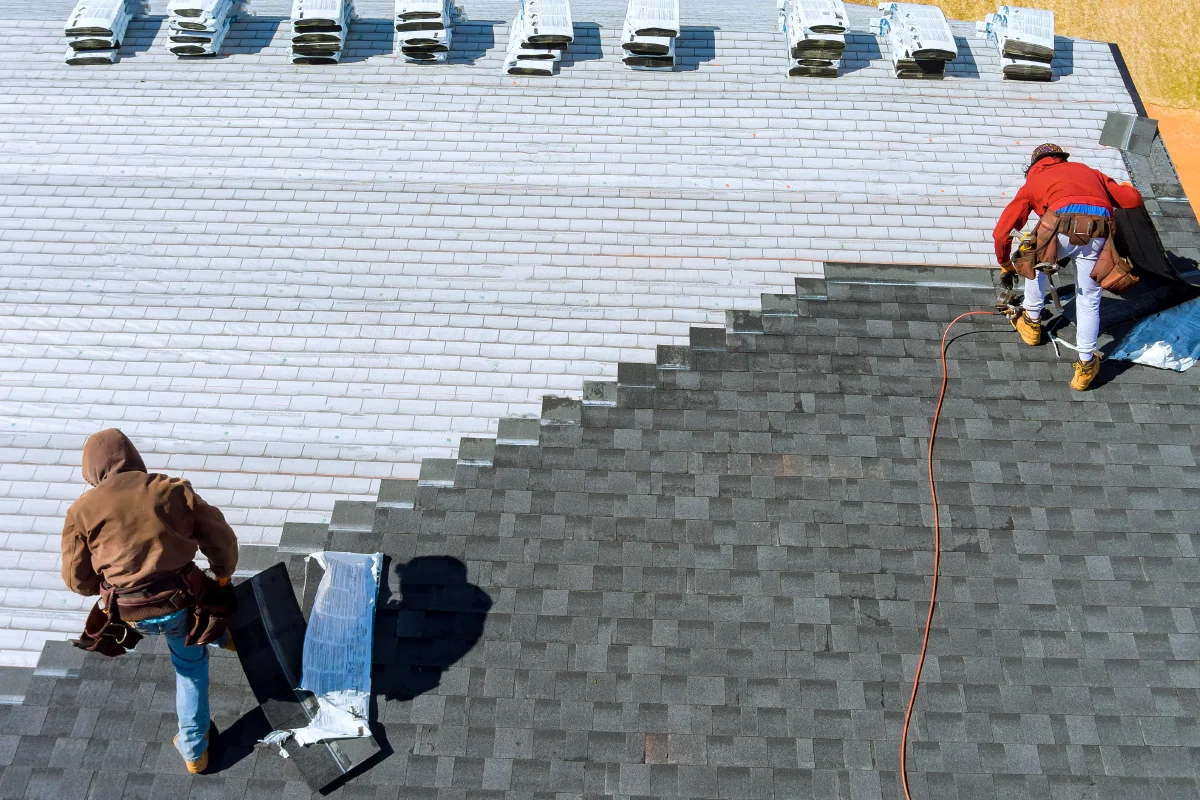
The Complete Chicago Roofing Guide for Homeowners
Your roof is one of the most important components of your home. In Chicago, roofing systems must endure snow, heavy rain, strong winds, hail, and extreme temperature changes. Understanding how roofing systems work and when to repair or replace them helps homeowners protect their property and avoid costly structural damage.
This Chicago roofing guide explains how roofing systems function, common problems homeowners experience, and how professional roofing services help maintain durable roofing systems.
Gutter Wilson
provides residential roofing services designed specifically for homes throughout
Chicago
and surrounding suburbs.
How Residential Roofing Systems Protect Your Home
Roofing systems protect homes from weather exposure while directing water away from the structure. A properly installed roofing system includes several components that work together to prevent moisture infiltration and structural damage.
Roof Deck
The roof deck forms the structural base of the roof and supports roofing materials such as shingles or metal panels.
Underlayment
Roofing underlayment acts as a secondary moisture barrier that protects the roof deck from water penetration.
Shingles or Roofing Material
The outer roofing material shields the home from rain, wind, and UV exposure.
Flashing
Flashing is installed around chimneys, skylights, and roof valleys to prevent water leaks.
Common Roofing Problems in Chicago Homes
Weather conditions in Chicago often cause roofing issues over time.
Roof Leaks
Roof leaks often begin with damaged shingles, flashing failures, or aging roofing materials.
Missing Shingles
High winds can loosen or remove shingles, exposing the roof deck to moisture.
Ice Dams
Winter snow accumulation can lead to ice dams that trap water on the roof and cause leaks.
Storm Damage
Storms frequently cause roof damage due to hail impacts and wind uplift.
If these issues occur, homeowners should schedule professional roof inspections to determine whether roof repair or roof replacement is necessary.
When Roof Repair Is the Right Solution
Roof repairs are often appropriate when damage is limited to specific areas.
Common repair situations include:
Small leaks
Missing shingles
Flashing damage
Minor storm damage
Professional roof repair services help extend the lifespan of existing roofing systems.
When Roof Replacement Is Necessary
Roof replacement becomes necessary when roofing systems reach the end of their lifespan or when damage affects large portions of the roof.
Signs roof replacement may be needed include:
Widespread shingle deterioration
Repeated leaks
Structural sagging
Roofs older than 20–30 years
Installing a new roof provides improved durability and long-term protection.
Roofing Materials Designed for Chicago Weather
Choosing the right roofing material is essential for homes exposed to Midwest weather conditions.
Asphalt Shingles
Asphalt shingles are the most commonly installed roofing material because they provide durability and affordability.
Typical lifespan: 20–30 years.
Architectural Shingles
Architectural shingles are thicker and more durable than traditional asphalt shingles.
Typical lifespan: 25–35 years.
Metal Roofing
Metal roofing systems offer excellent durability and resistance to extreme weather.
Typical lifespan: 40–70 years.
Flat Roofing Systems
Flat roofing membranes are commonly used on modern homes and building additions.
Storm Damage Roofing in Chicago
Chicago storms often cause roofing damage that may not be immediately visible.
Storm-related roofing damage may include:
- Hail impact damage
- Wind-lifted shingles
- Flashing displacement
- Roof leaks after storms
After severe weather, homeowners should schedule professional inspections to evaluate roofing conditions.
Insurance and Storm Damage
In some cases, storm-related roof damage may qualify for insurance coverage depending on the cause of the damage.
Professional inspections help determine whether repairs or replacement are necessary.
Average Roofing Costs in Chicago
Roof replacement costs vary depending on roof size, materials, and installation complexity.
Typical ranges include:
- Roofing Type Estimated Cost
Asphalt Roof $8,000 – $14,000
Architectural Shingles $12,000 – $18,000
Metal Roofing $15,000 – $30,000
These estimates vary depending on structural conditions and roofing materials selected.
Roof Cost Factors
Factors that influence roofing cost include:
- Roof size
- Roof slope
- Roofing materials
- Ventilation improvements
- Flashing replacement
- Labor complexity
Professional inspections provide accurate roofing estimates.
How Gutters and Siding Protect Your Roof
Roofing systems work together with gutters and siding to protect the exterior of a home.
Gutter Systems
Gutters direct rainwater away from the roofline and foundation.
Proper gutter installation helps prevent moisture damage.
Exterior Siding
Siding protects exterior walls while improving insulation and curb appeal.
Together, roofing, gutters, and siding form a complete exterior protection system.
Why Chicago Homeowners Choose Gutter Wilson
Experienced Roofing Contractors
Our team installs roofing systems designed for Chicago weather conditions.
Durable Roofing Materials
We use roofing materials designed for long-term performance.
Complete Exterior Services
We provide roofing, gutter installation, and siding services to protect the entire exterior of your home.
Contact Us
Let’s Talk About Your Project!
Schedule Your Professional Roof Inspection
If your roof shows signs of wear or storm damage, scheduling an inspection helps identify issues early and prevent costly repairs.
Call NOW
Frequently Asked Questions – Chicago Roofing
How long does a roof last in Chicago?
Most asphalt roofs last between 20 and 30 years depending on weather exposure and maintenance.
How do I know if my roof needs repair?
Signs include leaks, missing shingles, or visible roof damage.
How much does roof replacement cost in Chicago?
Most residential roof replacements take one to three days.
What roofing material is best for Chicago weather?
Architectural shingles and metal roofing systems perform well in Chicago climates.
Should roofs be inspected after storms?
Yes. Storm inspections help identify hidden damage that may lead to leaks.